
Jewish Response INITIATIVE
Building a More Prepared, More Resilient Jewish Community.
Rise of antisemitism
For many Jewish communities, the world feels different than it did just a few years ago.
Antisemitism has become more visible. Jewish institutions have increased security. Families think twice about displaying Jewish symbols. Synagogues prepare for threats that once felt unimaginable. Events around the world have reminded us how quickly a sense of security can change.
This does not mean everyone around us is our enemy, nor should we live in fear or distrust the police, firefighters, EMS professionals, and neighbors who stand beside our communities.
But Jewish history has taught us the importance of being prepared to protect and care for one another.
There may come a moment when an active threat delays an ambulance. When a natural disaster overwhelms emergency services. When a mass casualty event stretches local resources beyond their limits. Or when an act of antisemitic violence leaves the people already there responsible for caring for the injured until help can reach them.
We cannot predict whether that moment will ever come but we can decide whether we will be ready for it.
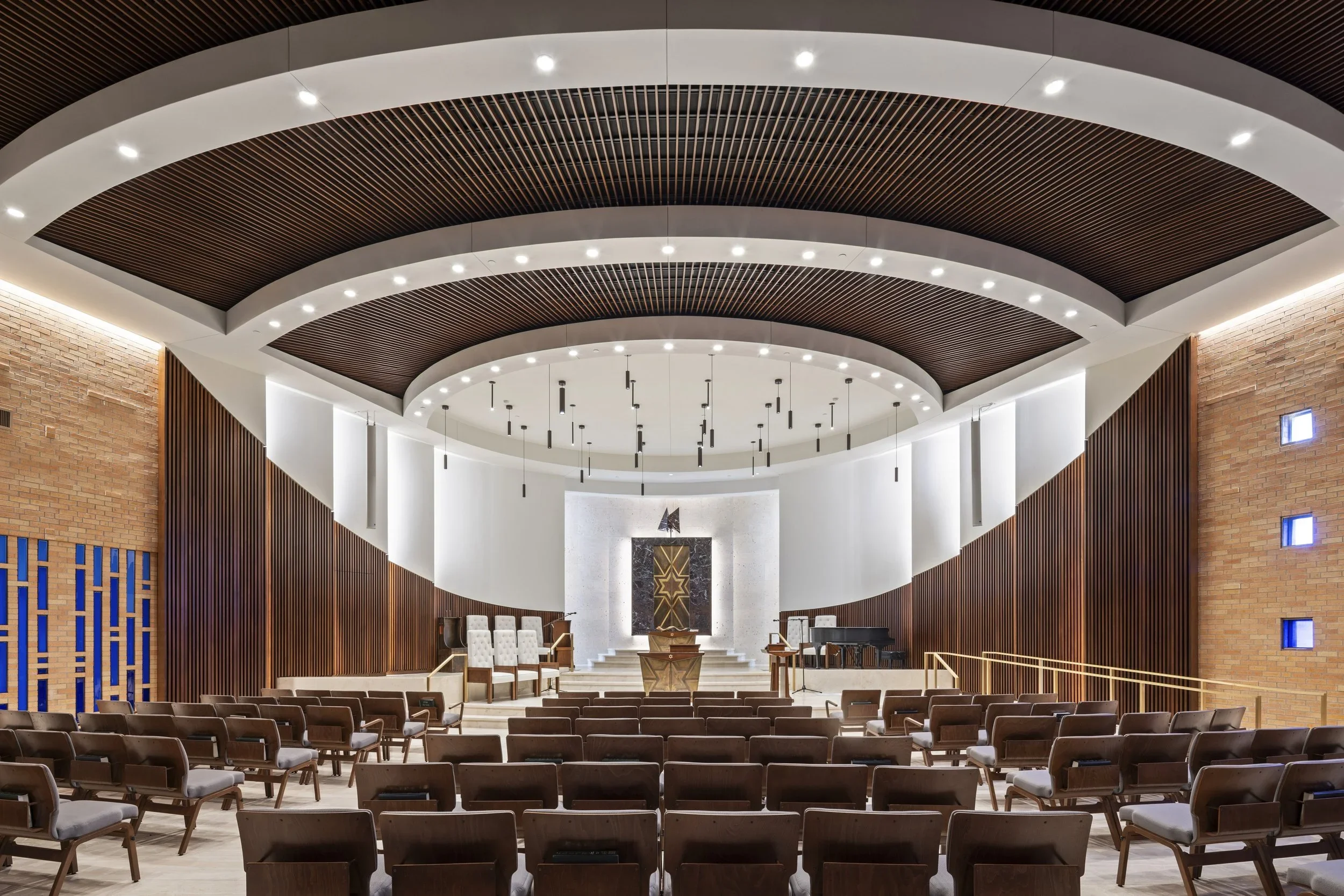
Jewish communities have invested heavily in security and rightfully so. Security personnel, cameras, controlled entrances, emergency plans, and partnerships with law enforcement have become essential parts of protecting Jewish life.
But there is another side of preparedness that has received far less attention:
The medical emergency happening inside our own walls.
A congregant collapses during services. Someone begins choking at Shabbat lunch. A child has a severe allergic reaction. An older member shows signs of a stroke. Someone goes into cardiac arrest in the sanctuary.
These emergencies don't require an attack, a disaster, or an act of hatred. They are the emergencies that can happen simply because people gather together.
And when they happen, a security camera cannot perform CPR. A locked entrance cannot clear an airway. An emergency plan cannot stop severe bleeding.
People do.
WHO we are
The Jewish Response Initiative was founded with a simple belief: Jewish communities should have the ability to care for their own when someone’s life is on the line.
The JRI is working to build a culture of medical readiness throughout Jewish life, preparing ordinary members of the Jewish Communities to perform CPR, use an AED, respond to choking, control severe bleeding, recognize medical emergencies, organize a response, and care for one another until professional help arrives.
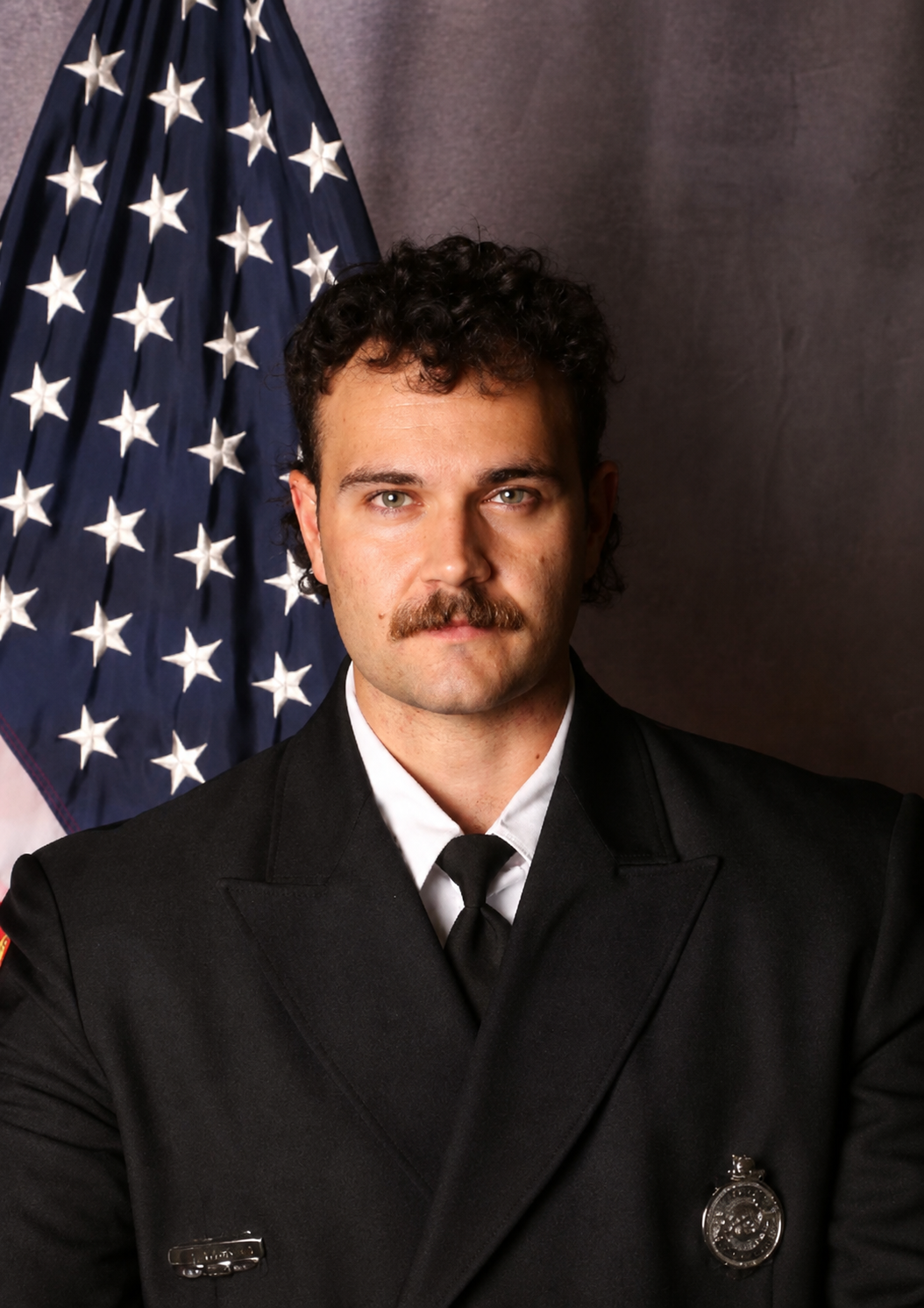
Founded by a Jewish firefighter/paramedic; through years of experience in emergency medicine including serving as a firefighter/paramedic, working in cardiac care, teaching lifesaving skills, and volunteering as a medic on ambulances with Magen David Adom in Israel witnessed firsthand how important the first few minutes of an emergency can be.
When ordinary people are trained and prepared, lifesaving care does not have to begin when an ambulance arrives. It can begin with the people already there.
Our goal is to help synagogues, Jewish schools, camps, JCCs, and communal organizations develop the people, training, equipment, and systems needed to respond from within. Through community education we are working toward a future where medical preparedness becomes a normal part of Jewish communal life.